
Clinical Microbiology Laboratory
Providing reliable microbiological diagnostic services for disease detection, antimicrobial resistance surveillance, outbreak investigations, and public health decision-making.
About the Clinical Microbiology Laboratory
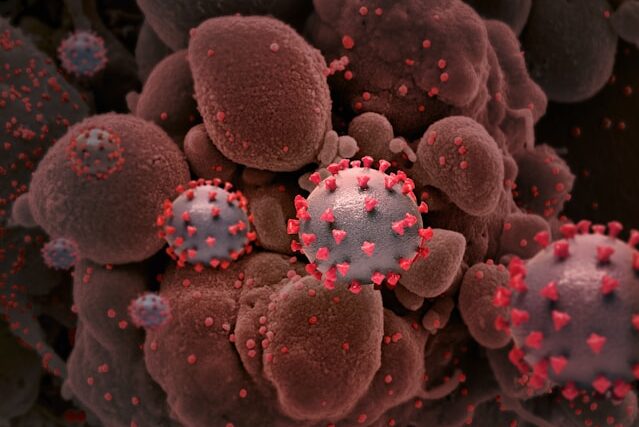
The Clinical Microbiology Laboratory provides comprehensive microbiological diagnostic services that support hospitals, health centers, and public health programs. The laboratory performs isolation, identification, and antimicrobial susceptibility testing of bacterial and fungal pathogens using standardized laboratory procedures.
The laboratory also contributes to disease surveillance, outbreak investigations, antimicrobial resistance monitoring, and research activities while maintaining high standards of quality management, biosafety, and professional practice.
AMR
Surveillance Support
24/7
Routine Tests
ISO-Based
Quality Practices
Regional
Referral Services
Core Clinical Microbiology Laboratory Services
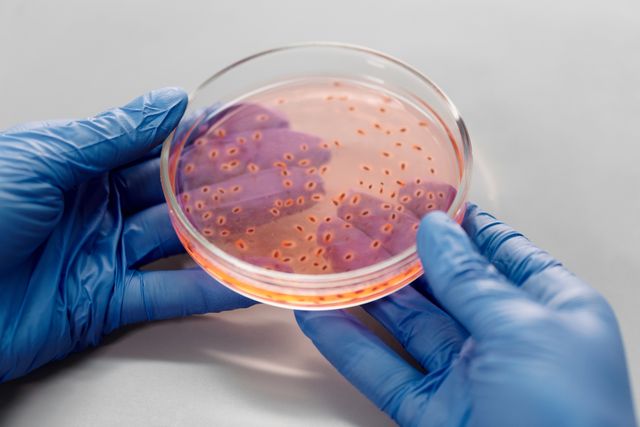
Culture & Identification
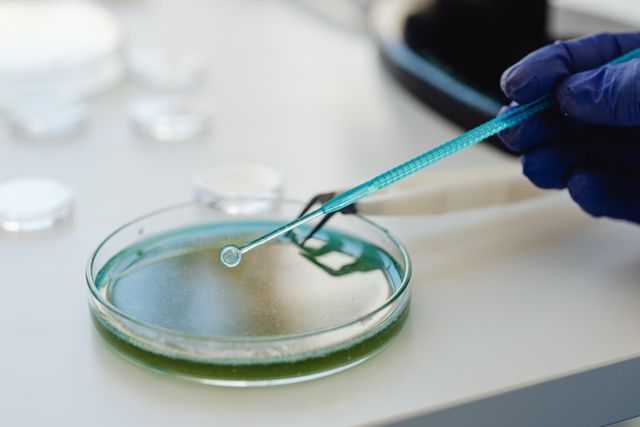
Antimicrobial Susceptibility Testing
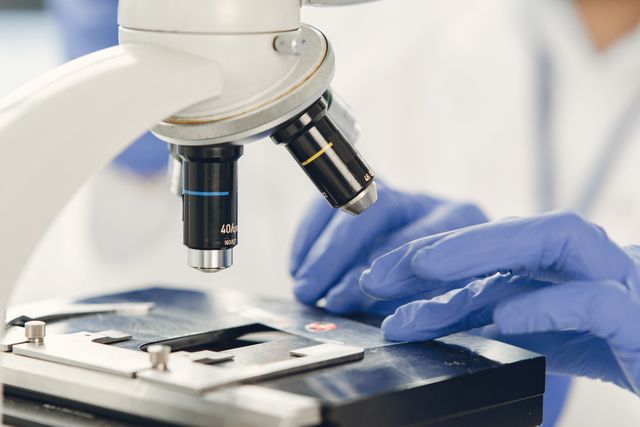
Microscopy

Outbreak Investigation
Available Clinical Microbiology Laboratory Tests
| Test | Specimen Type | Purpose |
|---|---|---|
| Blood Culture | Blood | Detect bloodstream infections |
| Urine Culture | Urine | Diagnose urinary tract infections |
| Stool Culture | Stool | Detect enteric pathogens |
| Sputum Culture | Sputum | Respiratory pathogen identification |
| Wound Swab Culture | Swab | Identify wound infections |
| Cerebrospinal Fluid Culture | CSF | Diagnose meningitis and other CNS infections |
Note: Available tests may change depending on national laboratory priorities and available resources.
Laboratory Equipment
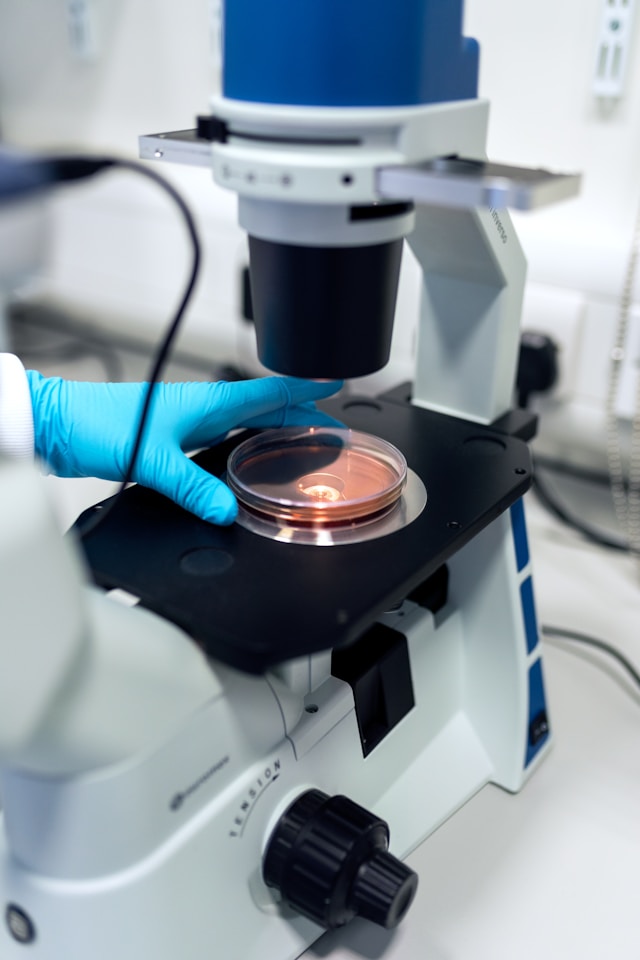
The Clinical Microbiology Laboratory utilizes modern laboratory equipment to ensure accurate, reliable, and timely microbiological testing.
Equipment List
- Biological Safety Cabinet
- Incubators
- Autoclaves
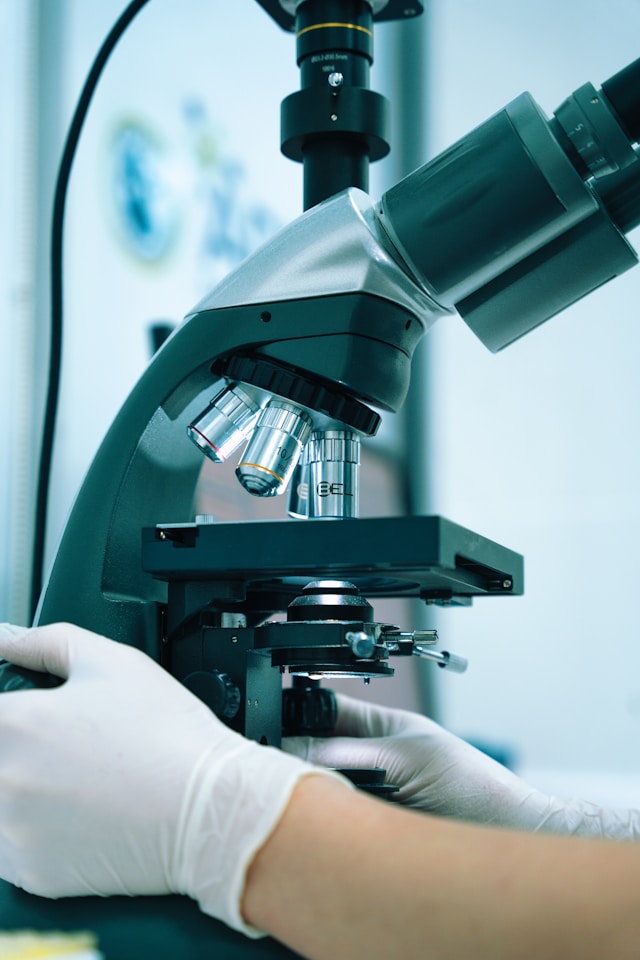
- Laboratory Microscopes
- Blood Culture System (if available)
- Automated Identification System
Specimen Collection Guidelines
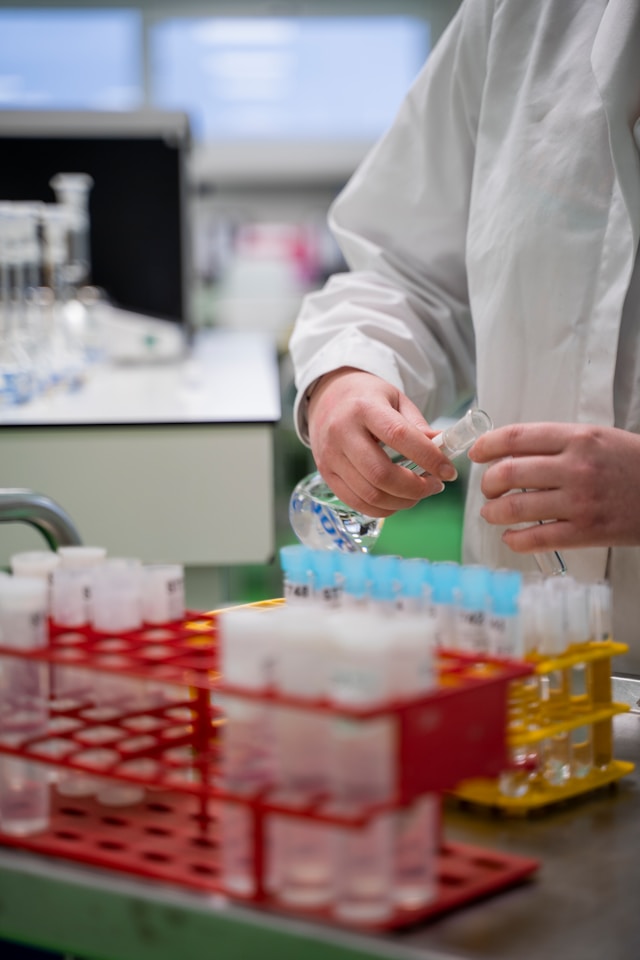
Step 1 - Collect
Collect specimens using sterile techniques and approved collection procedures.
Step 2 - Label
Label all specimens clearly with patient identification and request details.
Step 3 - Transport
Transport specimens under recommended temperature and time conditions.
Step 4 - Submit
Submit specimens with a completed laboratory request form.
Quality Assurance
Quality Management System
Implementation of standardized laboratory quality procedures.
External Quality Assessment
Participation in national and international quality assessment programs.
Biosafety & Biosecurity
Safe handling of infectious materials in accordance with biosafety guidelines.
Continuous Improvement
Regular equipment maintenance, staff training, and quality monitoring.
Frequently Asked Questions
What specimens are accepted for microbiological testing?
The laboratory accepts a variety of clinical specimens including blood, urine, stool, sputum, wound swabs, and cerebrospinal fluid. Specimen requirements depend on the requested test.
Who can submit specimens?
Authorized hospitals, health centers, clinics, and public health programs may submit specimens following the established referral procedures.
Does the laboratory perform antimicrobial susceptibility testing?
Yes. Antimicrobial susceptibility testing is performed for eligible bacterial isolates to support appropriate antimicrobial therapy and resistance surveillance.
How can I obtain additional information?
Please contact the Clinical Microbiology Laboratory through the Contact Us page or by using the official laboratory contact information.
Need Assistance with Microbiology Services?
Contact our Clinical Microbiology Laboratory for information about specimen submission, available tests, laboratory referrals, and technical support.
Subsribe To Our Newsletter
Stay informed about laboratory services, public health updates, research activities, training opportunities, and institutional announcements.